

South Africa faces major unemployment challenges among its youth. Cipla South Africa’s Graduate Program is a strategic talent initiative which provides work experience for graduates and helps to source fresh talent for the business. This is a two year-program. We recruit annually based on our business needs.
About the program
Initiated in 2015, the Cipla Graduate Skills Program (GSP) are strategic talent initiatives designed to source and develop young talent for the future of Cipla. The program aims to widen opportunities for people from diverse backgrounds.
In so doing, the program provides appropriate and relevant work experience that aligns with the graduates qualifications and identified talents. Graduates are recruited annually and successful graduates complete an intensive two-year competency-based graduate program.
- 2-year Fixed Term Contract (FTC) program
- Competitive, monthly stipend
- ‘Rotation’ method – i.e. Graduates are rotated between business and must be prepared to relocate more than once within 24-months
- Continuous development; performance reviews; and coaching
- 9-month Level 4 Project Management Learnership (compulsory)
- Permanent employment NOT guaranteed however after the 1st year, may apply for permanent Cipla vacancies
Meet some of the graduates
Find out more about the Cipla graduates and how each of their qualifications fit into the various business units. Learn more about what their job roles entail as well as the highlights and challenges that each grad encounters.

What degrees did you complete and at which university?
Advanced Diploma in Supply Chain Management from Tshwane University of Technology
When did you join Cipla?
I joined Cipla in May 2025
What is the role of a packaging graduate in the pharmaceutical sector?
The role of a packaging graduate in the pharmaceutical sector involves driving packaging development projects during artwork updates and coordinating cross-functional teams to implement design changes without disrupting supply. This includes managing timelines, ensuring updated artwork complies with regulatory requirements, verifying print accuracy and legibility, and aligning with manufacturing to avoid delays or excess obsolete stock.
The role also requires close collaboration with various teams to review proofs, approve final designs, and ensure a smooth transition from old to new packaging while maintaining product integrity and market availability.
What are the highlights and challenges of your job?
Highlights are contributing to making medicines accessible while supporting the successful rollout of new or updated packaging; gaining exposure to both technical packaging development and the commercial side of the business; working on cross-functional projects with teams like regulatory, quality, supply chain, and marketing which helps build a broad understanding of the pharmaceutical value chain.
Challenges are managing tight timelines, ensuring full regulatory compliance while balancing cost and speed; coordinating multiple stakeholders with different priorities; minimizing supply disruptions and obsolete packaging materials; and adapting to complex processes and a highly regulated work environment while still learning and growing in the role.

What degrees did you complete and at which university?
I completed a Bachelor of Pharmacy (Honours) at the University of KwaZulu-Natal (UKZN) and currently pursuing a Master’s degree in Pharmaceutics in collaboration with Cipla at UKZN.
I completed a Bachelor of Pharmacy (Honours) at the University of KwaZulu-Natal (UKZN) and currently pursuing a Master’s degree in Pharmaceutics in collaboration with Cipla at UKZN.
When did you join Cipla?
May 2025
What is the role of a Technology Transfer & Production Pharmacist graduate in the pharmaceutical sector?
A Technology Transfer and Production Pharmacist graduate plays a key role in bridging the gap between research and development (R & D) and full-scale commercial manufacturing. This involves supporting the transfer of pharmaceutical products and processes from R&D or external manufacturing sites into the production facility, ensuring that they are successfully scaled up and consistently reproduced at commercial level. The role also involves process optimization and contributing to cost-saving/de-risking initiatives.
It also includes actively contributing to production operations by overseeing manufacturing and packaging activities, ensuring that products are consistently produced according to quality and regulatory standards, and addressing any issues that arise during production to maintain smooth compliant operations.
The role requires close collaboration with cross-functional teams such as quality assurance, quality control, regulatory, and supply chain, while also focusing on developing strong technical, analytical, and project management skills.
What are the highlights and challenges of your job?
The highlights of my role include early exposure to impactful pharmaceutical work, such as leading and supporting multiple technology transfer projects, participating in product scale-ups, and contributing to process optimisation and cost-saving initiatives. I have developed strong problem solving and analytical skills through deviation investigations and root cause analysis within a fast-paced manufacturing environment. In addition, I benefit from continuous learning through mentorship and collaboration with cross-functional teams, and I have been granted the opportunity to pursue a Master’s degree in Pharmaceutics.
At the same time, the role presents challenges such as working under pressure to meet tight production timelines while maintaining strict GMP compliance, managing the complexity of technology transfer activities and troubleshooting unexpected production issues.

What degrees did you complete and at what university?
Bachelor of Science Honours Chemistry from University of Western Cape.
Bachelor of Science Honours Chemistry from University of Western Cape.
When did you join Cipla?
I joined Cipla in May 2025
What is the role of a Portfolio graduate in the pharmaceutical sector?
A Regulatory Affairs graduate in the pharmaceutical sector is responsible for facilitating the registration of new pharmaceutical products and ensuring that these registrations are achieved within defined timelines through continuous engagement with regulatory authorities. The function of RA serves as the primary intermediary between regulatory authorities and Cipla.
Key responsibilities include pre-registration activities such as the receipt, screening, compilation and submission of new dossiers, as well as preparing and responding to queries related to Quality, Inspectorate, Clinical, and Naming & Scheduling in line with the latest regulatory guidelines and committed timelines. Additionally, the RA graduate prepares and submits new dossiers using eCTD systems such as Documentum and Extedo, ensuring accuracy and compliance.
Following product registration, the role extends to lifecycle management of dossiers by supporting post-registration variations, including updates, amendments, query resolutions and ongoing correspondence with SAHPRA. Overall, the RA graduate ensures continuous compliance with evolving regulations while delivering timely submissions that support business goals and strategic objectives.
What are the highlights and challenges of your job?
The most rewarding aspect of my role is the opportunity to contribute to the health and wellbeing of people. Being part of the Regulatory Affairs department has enabled me to play a direct role in registering new pharmaceutical products with diverse and beneficial use. This experience has allowed me to explore a different and growing area within my career path, exposing me to aspects of chemistry that I was not previously familiar with and motivating me to continue developing my expertise in this field.
However, the role has also presented several challenges, particularly the need to adapt to a fast-paced environment that involves navigating numerous acronyms, complex regulatory guidelines and detailed data interpretation.
Transitioning from a laboratory-based environment to a corporate scientific setting has also required significant adjustment. Despite these challenges, the experience has been valuable in building resilience, expanding my knowledge and enhancing my professional growth. The supportive team environment and strong leadership I am part of have also played a significant role in my development, providing guidance, encouragement and opportunities to continuously learn and improve.

What degree did you complete and at what university?
Bachelor of Pharmacy at University of Kwa-Zulu Natal.
Bachelor of Pharmacy at University of Kwa-Zulu Natal.
When did you join Cipla?
May 2025
What is the role of a Pharmacist Graduate in the pharmaceutical sector?
The role of a pharmacist graduate in the pharmaceutical sector involves supporting the production of Cipla products through both manufacturing and packaging activities. This includes facilitating technology transfer from CMOs and other Cipla manufacturing sites to CMM to ensure business continuity.
I am also involved in leading AVD (alternative vendor development) projects for raw and packaging materials, aimed at achieving cost savings and reducing supply risks. In addition, I assist with investigation reports required to support batch release decisions or to address deviations encountered during manufacturing.
What are the highlights and challenges of your job/role?
One of the highlights of my role is being involved in the manufacturing process of newly transferred products into CMM, where I gain hands-on experience with core pharmaceutical equipment such as blenders, tablet presses, and coating machines. I also work on the granulation process of legacy products like Cipla Loperamide, which has strengthened my practical knowledge of pharmaceutical manufacturing. In addition, I collaborate with departments such as supply chain, quality control and regulatory affairs to achieve shared objectives, which has helped me develop a better appreciation for cross-functional teamwork and corporate work dynamics. I regularly operate in an environment where business strategies evolve quickly, requiring me to stay agile and maintain focus on delivering key outcomes.
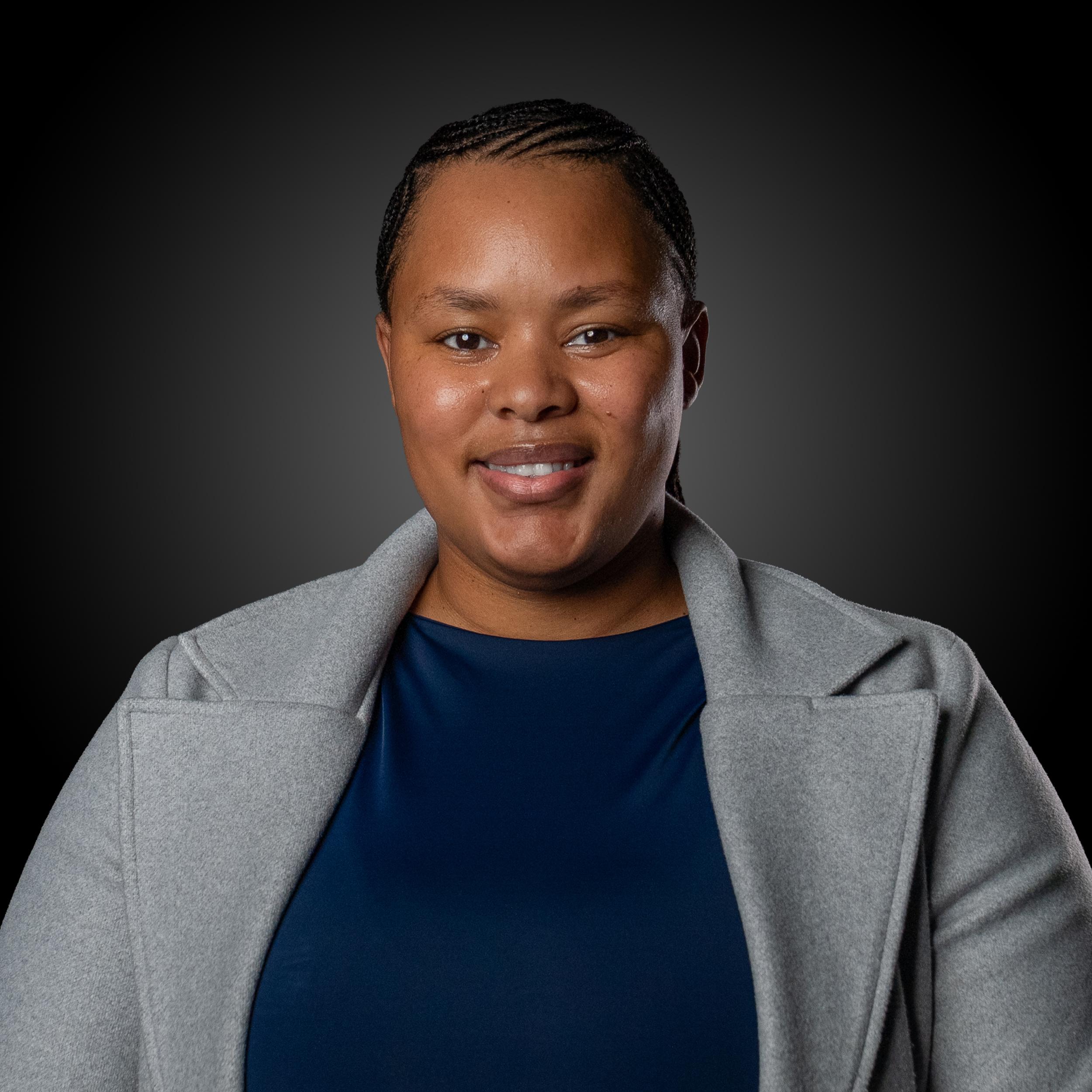
What degree did you complete and at what university?
National Diploma in Finance and Accounting at the Tshwane University of Technology. I’m currently in my second year of completing my second qualification Bachelor of Accounting Sciences with Financial Accounting with UNISA.
National Diploma in Finance and Accounting at the Tshwane University of Technology. I’m currently in my second year of completing my second qualification Bachelor of Accounting Sciences with Financial Accounting with UNISA.
When did you join Cipla?
I joined Cipla in May 2025
What is the role of a finance graduate in the pharmaceutical sector?
A finance graduate in the pharmaceutical sector plays a vital role in ensuring accurate financial management and compliance with industry regulations. we also assist in processing foreign exchange (forex) payments to international suppliers, and that all transactions comply with exchange control regulations. In addition, finance graduates assist with month-end closures by posting journals, performing account reconciliations, and ensuring the accuracy and completeness of financial records within strict deadlines. During audit periods, we help check the correctness and accuracy of financial statements, provide auditors with supporting documentation, respond to queries, and help ensure transparency and compliance. Overall, our role contributes to maintaining the financial integrity and operational efficiency of the organisation.
What are the highlights and challenges of your job/role?
The highlights of my role as a finance graduate at Cipla, lie in the moment where theory meets reality. Working with real financial figures and statements has given meaning to everything I studied, transforming concepts into decisions that impact the business. Being trusted with responsibilities such as financial reporting, processing forex payments, and supporting month-end and audit processes has not only sharpened my technical skills but also built my confidence and sense of purpose. There is something deeply fulfilling about knowing that the work I do contributes to the accuracy, transparency, and integrity of the organisation’s financial position.
At the same time, the role comes with its challenges. The pressure of tight deadlines during month-end and audits demands both precision and resilience, as even the smallest error can have significant consequences. However, these challenges have pushed me to grow, adapt, and become more disciplined. Ultimately, the experience is both demanding and rewarding, shaping me into a more capable and confident finance professional.

What degree did you complete and at what university?
Bachelor of Science in Industrial Engineering from the University of the Witwatersrand
Bachelor of Science in Industrial Engineering from the University of the Witwatersrand
When did you join Cipla?
May 2025
What is the role of a Supply Chain Graduate in Procurement and Finished Product Sourcing (FPS) in the pharmaceutical sector?
The role of a Supply Chain Graduate in Procurement and Finished Product Sourcing (FPS) within the pharmaceutical sector involves supporting the end-to-end sourcing and supply of finished goods and raw materials to ensure uninterrupted product availability. This includes material planning activities such as monitoring stock levels, forecasting requirements, and coordinating with suppliers and internal stakeholders to maintain optimal inventory levels. The role also entails raising purchase requisitions in line with business requirements, ensuring compliance with procurement timelines.
In addition, the graduate is responsible for processing Goods Receipt Notes (GRNs) for incoming finished products and raw materials, ensuring accurate system transactions and inventory visibility. A key component of the role includes performing root cause analyses (RCAs) on supply chain or procurement-related issues, identifying gaps, and recommending corrective and preventive actions to improve operational efficiency.
The graduate also supports and drives cost-saving initiatives through supplier engagements, process improvements, and spend analysis. Overall, the role requires cross-functional collaboration and analytical capabilities, and proactive problem-solving to support efficient sourcing, cost optimisation, and reliable supply within the pharmaceutical environment.
What are the highlights and challenges of your job/role?
The highlights of my role as a Supply Chain Graduate in Procurement and Finished Product Sourcing include contributing to ensuring material availability and continuity of supply, which directly supports access to medicines. I have gained meaningful exposure to cross-functional collaboration, particularly with the Quality Assurance (QA) team and suppliers, to resolve supply challenges and improve operational processes. My involvement in initiatives such as supplier satisfaction surveys and a procurement change management project, transitioning from plant-based to material-based sourcing, has strengthened my understanding of supplier relationship management and strategic cost optimisation. Additionally, documenting processes has improved visibility and efficiency within the department, while enhancing knowledge sharing.

What university degree did you complete and what university?
BAHons in Community Development at the University of Johannesburg
BAHons in Community Development at the University of Johannesburg
When did you join Cipla?
May 2025
What is the role of a Cipla Foundation graduate in the pharmaceutical sector?
As a graduate at Cipla Foundation, my role in the pharmaceutical sector is to bridge healthcare and community development by supporting impactful health and social programmes through internal and external stakeholder engagement, project coordination, strategic programme implementation, and Corporate Social Investment (CSI) initiatives at a macro level. This role provides me with the opportunity to contribute towards improving healthcare access and strengthening underserved communities at grassroots level, while also ensuring that children receive a quality educational foundation during their early developmental years.
What are the highlights and challenges of your job/role?
One of the highlights of my role is the opportunity to make a meaningful impact and caring for life beyond medication in communities through development initiatives while building strong relationships with ECD centres, NGOs, stakeholders, and beneficiaries. The role has provided me with valuable exposure to corporate social investment sectors, allowing me to develop skills in project coordination, stakeholder engagement, active communication, and sustainable community development. However, the role also comes with challenges such as managing and tracking multiple projects parrel and stakeholders simultaneously, working with limited resources, balancing administrative duties with fieldwork and community engagement while that CSI programmes remain sustainable and responsive to changing community needs.

What degree did you complete and at what university?
Bachelor of Engineering Science in Biomedical Engineering at the University of the Witwatersrand
Bachelor of Engineering Science in Biomedical Engineering at the University of the Witwatersrand
When did you join Cipla?
May 2025
What is the role of a Internal Agency and Office of CEO graduate in the pharmaceutical sector?
My role in Internal Agency involved project managing various campaigns and creative projects, ensuring they are executed with strategy, purpose, and alignment to business objectives. This includes coordinating across different stakeholders, managing timelines, and supporting the delivery of high-quality creative outputs.
My current role in the Office of the CEO involves providing analytical, strategic, and operational support to help solve complex business problems. This includes working with and analysing data, providing actionable recommendations, and driving initiatives that contribute to overall business success, performance, and efficiency across different functions.
What are the highlights and challenges of your job/role?
One of the highlights of my role is the exposure to the pharmaceutical industry across different functions. The high level of cross-collaboration means I get to work with a wide range of teams, build a broader view of how the organisation operates, and contribute to the overall success of projects and initiatives.

What degree did you complete and at what university?
Bachelor’s degree in Industrial and Organisational Psychology (cum laude) from the University of South Africa (UNISA), and a National Diploma in Biotechnology from the Durban University of Technology.
Bachelor’s degree in Industrial and Organisational Psychology (cum laude) from the University of South Africa (UNISA), and a National Diploma in Biotechnology from the Durban University of Technology.
When did you join Cipla?
2025
What is the role of a HR graduate in the pharmaceutical sector?
The role of an HR graduate in the pharmaceutical sector involves supporting key people processes that enable the business to perform effectively. This includes assisting with talent management, recruitment coordination, onboarding, employee engagement initiatives, and learning and development support. The role also provides exposure to HR operations and business partnering, where insights are used to support decision-making, build organisational capability, and align people practices with business goals, ultimately contributing to Cipla’s purpose of Caring for Life.
What are the highlights and challenges of your job/role?
Highlights:
Gaining exposure to various HR functions and how they support the business
Working with experienced HR professionals and leadership
Building skills in stakeholder engagement, HR processes, and people analytics
Being part of a purpose-driven organisation focused on improving access to healthcare
Challenges:
Adjusting to a fast-paced corporate environment as a graduate
Managing multiple tasks and deadlines across different HR initiatives
Continuously learning and adapting to new systems, processes, and workplace dynamics

What university degree did you complete and what university?
BHSc (Hons.) Molecular Medicine & Haematology – University of the Witwatersrand
MSc Medicine (Virology) (Awaiting examination) – University of the Witwatersrand
BHSc (Hons.) Molecular Medicine & Haematology – University of the Witwatersrand
MSc Medicine (Virology) (Awaiting examination) – University of the Witwatersrand
When did you join Cipla?
May 2025
What is the role of a Medical Affairs graduate in the pharmaceutical sector?
Fueling the future of healthcare as a Medical Affairs Graduate at Cipla.
I work alongside a powerhouse team leveraging medical knowledge and expertise to bring cost-effective, life-saving solutions to South Africa, turning 'Caring for Life' into action. My role combines strategy and science: driving projects from medical intelligence to health care professional (HCP) engagement, responding to customer medical information queries (MIQ), and providing clinical motivations to support regulatory submissions. Whether it's navigating complex risk management plan (RMP) reconciliations, promotional material review or being a cross-functional team support, the gap between clinical insight and action is bridged to ensure our initiatives are not only compliant but impactful.
What are the highlights and challenges of your job/role?
While the early stage demands resilience and adaptability, it does with time offer opportunities to translate complex science into meaningful insights (i.e., strong scientific engagement), provide insights on how the pharmaceutical space is built end-to-end, and drive purposeful, patient-centric solutions. However, transitioning from academic knowledge and research backgrounds to real-world medical decision-making comes with a steep learning curve. You must remain ethical in producing high-quality medical outputs even with the influence of tight deadlines and commercial pressures. The role is support-focused and highly supervised to ensure an understanding of compliance and credibility is built; therefore, it has limited decision-making prospects.

What degree did you complete and at what university?
Bachelor of Laws with the University of Fort Hare
Bachelor of Laws with the University of Fort Hare
When did you join Cipla?
May 2025
What is the role of a legal graduate in the pharmaceutical sector?
The role of a legal graduate is to support the business with its legal needs across different departments. This includes drafting, reviewing, and managing contracts, as well as providing clear and practical legal advice across various areas. The role also involves supporting compliance, managing litigation matters, and representing the company in labour law disputes. In addition, it includes handling a range of corporate legal tasks across different jurisdictions.
What are the highlights and challenges of your job?
The highlights and challenges of my role come from how broad it is. As a legal graduate, I work with a wide range of stakeholders, both inside and outside the organisation, locally and internationally. Working across different jurisdictions encourages me to keep learning and build a solid understanding of the laws that support our business goals. I also appreciate being involved in foundational work, as it adds a meaningful aspect to what I do and allows me to contribute in a way that has a positive impact.
Highly motivated, excellence-focused graduates and students, who are willing and able to fail and learn fast; who will innovate, collaborate and create the Cipla of tomorrow, today. We’re looking for the change-makers, the insatiably curious, the socially intelligent, the culturally aware, the most resilient, most agile, the digital natives… the game-changers.
Graduates between the ages of 21 – 28 who are willing to be mobile i.e., prepared to move to any of our 3 South Africa (Cape Town, Durban, Johannesburg) sites more than once, during the 2-year graduate program
Fields of Study suitable for the Graduate Program
When recruiting talent, the program considers CIPLA’s current and future succession plans, and the scarce skills needed to grow the organisation:
- Computer and Information Sciences
- Engineering
- Economic Management Sciences
- Finance & Accounting, Business studies
- Graphic Design
- Health Sciences
- Human Sciences, Industrial Psychology, Human Resources
- Manufacturing – Logistics; Demand Planning
- Production; warehousing
- Natural Sciences
- Pharmacy
- Social Sciences – Digital Marketing and Communications
- Supply Chain I Project Management
Guidelines
- Make sure you follow all instructions exactly, incomplete and / or late applications are automatically disqualified.
- Ensure all required documents are included & in PDF format with descriptive names i.e. Boni_Ntuli ID.
- Include a single-page CV (pdf) and a photo of yourself. Make sure your CV includes all your contact details and an alternative contact numbers/emails.
- Remember you applied to Cipla and know as much as possible about us. (During the CV screening process, we randomly conduct spontaneous 3-minute telephonic interviews. One of the questions we ask, is what you know about Cipla).
- Answer calls from an ‘unknown number’ professionally, it could be us!
Criteria
- South African identity document (born in SA age between 21 – 28)
- Completed qualification with average of 70% in final year of study (completed studying in 2019/2020/2021)
- Willing to relocate (more than once) to CT, DBN, JHB within the 2-year program
- Less than one-years permanent employment working experience
- Fully conversant (reading and writing) in English
Frequently Asked Questions
Online Application Issues
I’m struggling to upload my documents using the Cipla on-line job application system.
If all else fails, try upload them in the ‘reference’ field of the online application form OR include them as part of your CV attachment (all in one pdf) and re-upload your CV.
Recent Transcripts
I don’t have my most recent transcripts.
Include your mid-year transcripts in the interim and forward your recent transcript as soon as you have it.
The institute won’t release my results as I have outstanding student fees.
Request institute to write a letter on their letterhead confirming your qualification; that you completed your studies and your student number and name reflect on their letter.
If I don’t meet the academic criteria in my first year – will I still be eligible?
Provided you achieved an average of 70% in your final year of studies, your previous years of studies results are not reviewed.
Psychometric Assessment Results
Will I get a copy of the online psychometric assessment results?
You receive an abridged online version directly from the vendor on completion & submission. If appointed as a graduate, you receive a one-on-one coaching feedback session
Who Pays?
Who pays for my flights to CT and accommodation costs?
Cipla covers (where relevant) flights from major cities to CT, including transport and accommodation during the 30-day induction. During induction graduates are expected to source and arrange accommodation at their expense in the city (CT or DBN or JHB) they will be located after induction.
Stipend
Do the graduates receive a salary whilst on the program?
Successfully appointed graduates receive a competitive and liveable monthly stipend. Medical aid and provident fund benefits are optional (not compulsory).
Do I have to be Health Science graduate to apply?
Provided you have a qualification listed in our Fields of Study section, and achieved 70% average in your most recent year of study, you can apply.
Do you take Honours, Masters or PhD students?
Yes provided you have a qualification which matches those listed in our Fields of Study section.
What work do the Grads do?
What type of work will I be doing?
We aim to place grads in business units which provides experience related to their field of study. Graduates are also given opportunities to enhance their experience within and outside of their fields of study too, to give a holistic working experience.
Graduate Program
Why is the program two years?
The pharmaceutical industry is a complex environment, 12 months is just not enough time to provide a graduate with significant exposure; hence the program was extended to 2 years.
In what provinces are the program based? Where am I likely to be placed?
We have 4 sites based in Cape Town, Durban and Johannesburg, depending on your qualifications and the business need, you will be placed in one of our four facilities. Sometimes you may move more than once during the two years.
Am I guaranteed a job after?
The graduate program is an end-to-end 2-year duration with no guarantee of permanent employment; however, in the second-year graduates are encouraged to apply for the permanent vacancies advertised within Cipla.
Why a one-month induction program?
A 30-day induction provides sufficient time and opportunity to develop a ‘basket’ of foundational competencies needed to ensure the graduate is equipped with the necessary competencies to ‘hit the ground running’.
When does the program start?
Usually, the 3rd or 4th month of the year
How many graduates to you take in each year?
Between 10 and 20
What is the organisational culture?
High performance culture – people and productivity focused.
Applications
What can I do to improve my chances of being successful?
Prepare, prepare, prepare! Research, network, follow and meet all the criteria exactly. Be open-minded and demonstrate an agile attitude. Be your authentic self.
How will I be contacted if I’m successful?
By email or telephone – although we are usually so excited to tell you that we call you right away.
Why have I not heard back from Cipla about my application?
We receive high volumes of applications and while we strive to make sure that we pay attention to you as the candidate, it is not always possible or our response may be delayed. If you do not hear back from us, your application was likely unsuccessful. Opportunities always arise and we urge you to please stay in contact with us.
